


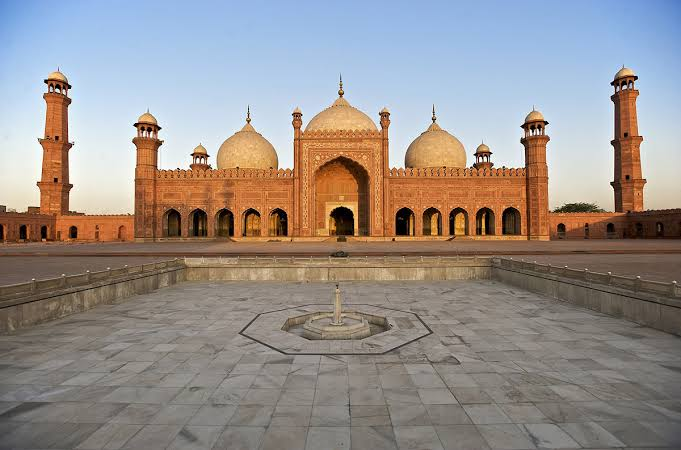
Last year a friend asked me where he should go in Pakistan, and I said Lahore before I’d even finished hearing the question. That’s the default answer for most people. Lahore, maybe Islamabad, Multan if someone’s feeling fancy. Karachi comes up too, usually tacked on at the end like an afterthought.
Karachi, Hyderabad, Gwadar, Quetta, plus a string of smaller towns most guidebooks never mention. Not exactly a minor corner of the map. Between them you’ve got the country’s biggest port, its whole coastline, some genuinely old Sufi shrines, and a half-built port city that’s meant to reshape regional trade over the next decade. Seemed worth writing about.
So What Actually Is “Southern Pakistan”?
No official border on a map, just to be clear. It’s more of a loose term for the lower stretch of Sindh and Balochistan, nearest the Arabian Sea. That’s roughly where the Indus finally runs out of land, where the Kirthar range flattens into coastal plains, and where dry central-Pakistan heat turns into something saltier and more humid near the water.
It’s not one landscape though. Karachi is loud and packed. Hyderabad slows down considerably. Keep going toward Balochistan and it’s mostly desert road until Gwadar shows up — and most days, Gwadar looks more like a construction site than a finished city. That’s basically the whole appeal of this stretch of the country.
Karachi Never Really Slows
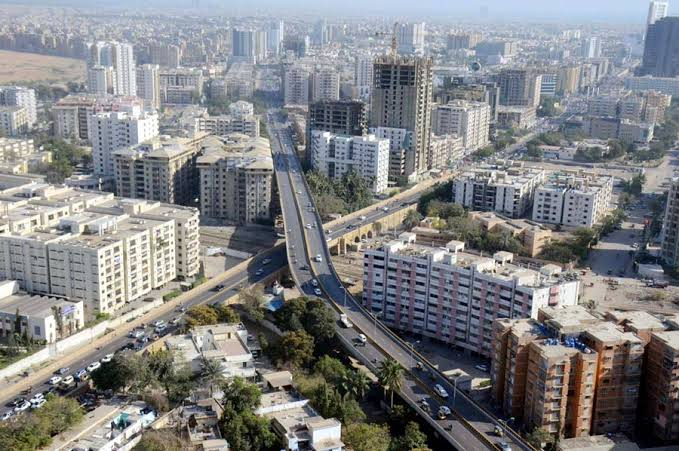
Might as well start here since there’s no avoiding it anyway. Biggest city in Pakistan by a wide margin, one of the biggest urban areas anywhere really, and the financial engine of the country on top of that. Stock exchange, shipping terminals, textile mills, a growing pocket of tech startups, all packed into a handful of square miles.
Not all business though. Seafood here is genuinely good. The beachfront at Clifton and Sea View isn’t glamorous but it’s full every evening regardless. And the food scene mixes Sindhi, Punjabi, Pashtun, and Muhajir influences into something you won’t quite get anywhere else in the country. Anyone wanting a real look at modern urban Pakistan, messy bits included, would do well to start here.
Hyderabad Runs on a Slower Clock
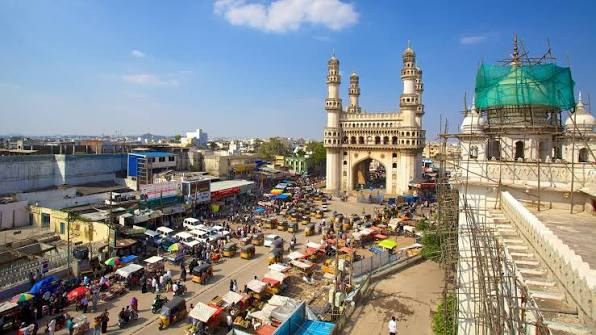
An hour up the road, Hyderabad sits as Sindh’s second city and, arguably, its cultural center of gravity. Karachi rushes everywhere. Hyderabad doesn’t. Narrow lanes, older bazaars, a genuine tie to Sindh’s Sufi past — shrines, devotional music, history that Karachi’s growth mostly paved over a long time back.
Good reminder too that “Sindhi culture” isn’t one single thing. Language shifts district to district. Food changes a bit. Music too, if you’re actually listening for it. Hyderabad sits close enough to both coast and interior to end up soaking in a little of everything.
Gwadar Is Being Built As We Speak
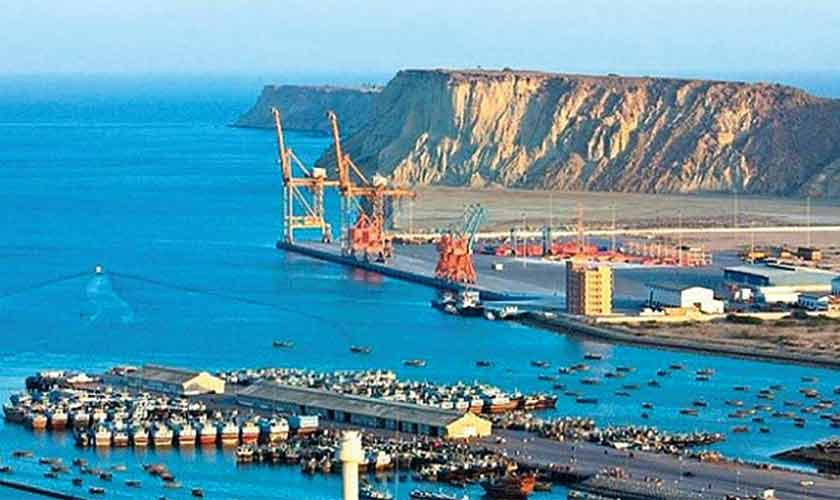
Pick one city on this list as the most interesting and I’d go with Gwadar, mainly because it’s so unfinished. Decades back this was a quiet fishing town on Balochistan’s coast, barely known past its own province. Then came the China-Pakistan Economic Corridor — CPEC — a huge infrastructure project meant to connect western China to the Arabian Sea through Pakistani land, and things changed quickly from there.
The port sits near the Strait of Hormuz, one of the busiest oil-shipping routes anywhere, giving a fairly small city an outsized strategic role. Roads like the East Bay Expressway now link the port directly into the national highway grid, cutting down cargo delays that used to slow everything down. There’s already a new international airport, one of the biggest in the country by land area, built with future tourism and business travel in mind — though passenger flights are still scaling up gradually.
Not finished by a long shot. Large parts still look more like a construction zone than an actual city, and much of the bigger vision — smart-port systems, industrial parks, cold storage, ship repair yards — is years off. That’s part of the draw honestly. Rare chance to watch a city get built practically in real time.
Quetta Sits Up Where It’s Cool
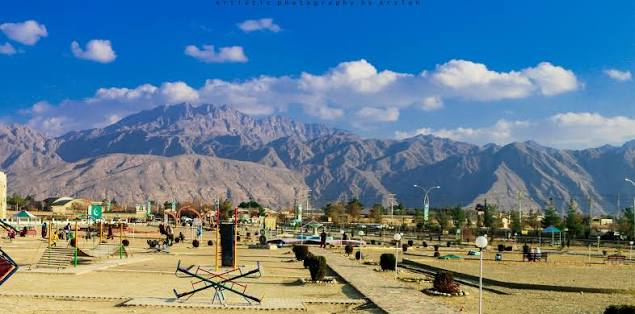
Gain some elevation heading inland and you land in Quetta, Balochistan’s capital and pretty much the only genuinely cool-weather city in southern Pakistan. Fruit orchards everywhere — apples, grapes, pomegranates — and for centuries it’s worked as a trade link between Pakistan, Afghanistan, and Iran.
History runs deep here. British built it as a garrison town in the late 1800s. An earthquake flattened much of it in 1935. Now it’s a regional market hub, home to a few universities and a mix of Pashtun, Baloch, and Hazara communities, and it feels almost nothing like the coastal cities to the south. Different world entirely.
The Cities Nobody Bothers Writing About
Beyond the well-known names sits a whole layer of smaller cities rarely covered in travel writing but genuinely important to the people who live there. Sukkur, on the Indus, is known for its barrage and its spot as a transport junction. Larkana sits near Mohenjo-daro, one of the great archaeological sites of the ancient Indus Valley Civilization. Mirpur Khas grows some of the sweetest mangoes in the country, no argument there. Turbat, further into Balochistan, is a date-farming center where Balochi, Sindhi, and Brahui speakers live side by side.
None headline a tourism campaign anytime soon. Together though, they explain how people actually live here better than any single scenic stop could.
Culture, Food, Language
None of this region is culturally uniform, and that’s worth saying plainly. It’s a patchwork, stitched loosely at the seams. Nearer the coast and the Indus basin, Sindhi traditions dominate — Sufi shrines, folk music, that ajrak print showing up on scarves everywhere you look. Move toward Balochistan and the whole feel shifts. Different music. Different clothing. A much stronger pull toward tribal and clan identity.
Food follows roughly the same map. Karachi’s seafood and biryani culture has little in common with Quetta’s sajji — a whole lamb or chicken, slow-roasted over open flame — let alone the simpler desert-suited meals further into Balochistan. One consistent thread through all of it: hospitality. Guests come first almost everywhere in this region, regardless of how much a household actually has.
Planning An Actual Trip
Timing matters more than people assume. Winter, roughly November through February, is the most bearable stretch across most of the south. Summers in Karachi and Hyderabad get punishingly humid, and Sindh’s interior turns brutal. Quetta’s the outlier — elevation keeps it cool even in the hotter months.
Moving between the major cities is fairly simple. Domestic flights connect Karachi, Hyderabad, and Quetta decently well, and buses or trains cover most of Sindh without much trouble. Balochistan’s remoter areas, including some routes toward Gwadar, take more planning and usually some local help, since infrastructure is still catching up there. Checking current travel advisories before heading deep into Balochistan is a good idea too — security conditions vary by district, and that’s not something worth guessing on.
Where This Leaves Things
Southern Pakistan doesn’t market itself the way plenty of other destinations do. No slick tourism campaign, no viral rush of people posting Gwadar’s half-finished waterfront online. Which, honestly, might be the point. This is a region shaped almost entirely by contrast — a massive city a few hours from quiet river towns, centuries of Sufi shrine culture sitting close to a brand-new deep-sea port meant to reshape trade for decades.
People drawn to places still working themselves out, rather than places already finished and packaged for visitors, will probably get more out of southern Pakistan than they expect.