


Eco-Tourism in Gilgit-Baltistan serves as a shield for this sensitive border region. Eco-tourism in Gilgit-Baltistan is protecting natural landscape and improve livelihood of the rural community. This “third pole” will need a shift from massive tourism to sustainable tourism to conserve the biodiversity of this region.
It’s not just an adventure playground for people seeking out new places to visit; it’s also an essential resource for millions of people depending on glacier-fed water. For the local population, tourism is a means of survival provided it is sustainable in nature without ruining their very environment
Idea of a Green Future
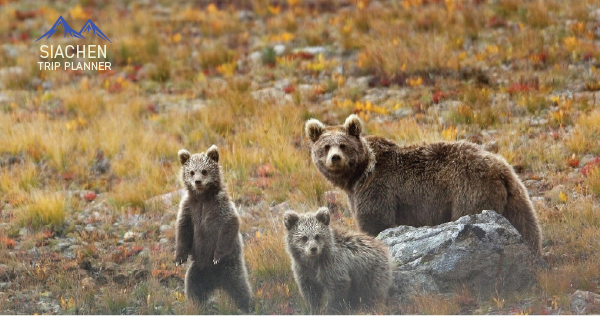
The higher altitude of the north begins for green future of Pakistan. Gilgit-Baltistan authorities have collaborated with international organizations concerned about environment in planning policies where reduction of carbon footprint of tourists is prioritized. This vision will begin with setting an example through distance of the region from infrastructural development and development of eco-friendlier lodgings and solar powered campsites in the high altitude areas. Deosai is often called land of “Giants” is one of the highest plateaus in the world and is the home of Himalyan brown bears and rare wildlife.
Sustainability in Gilgit-Baltistan Pillars
1. Renewable Energy: Transitioning the local community to solar and micro-hydro energy.
2. Waste Management: Projects such as “Clean Gilgit-Baltistan” to handle plastic wastes in high altitude base camps.
3. Land use Regulation: Gilgit-Baltistan must translate the sustainable model through tourism polices.
How to Conserve Biodiversity in Gilgit-Baltistan
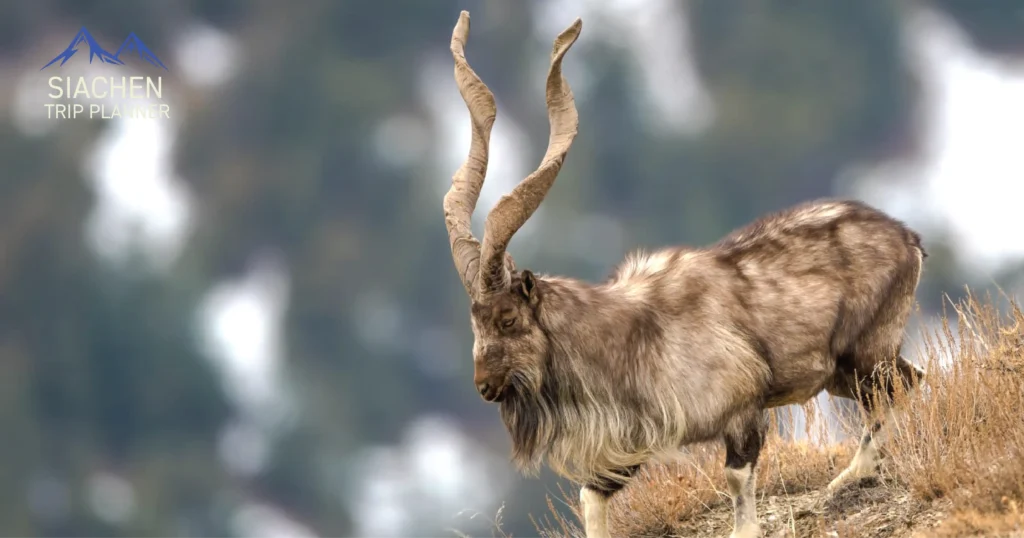
Eco-friendly tourism in Gilgit-Baltistan is done for the conservation of the delicate ecological system which has a very complex inter-relation amongst different elements. Gilgit Baltistan is home to the rare snow leopard, Himalayan brown bear and Markhor which is the national animal of Pakistan.
Protecting Endangered Species
Habitat loss and climate change are threats to the biodiversity of GB. The role of eco-tourism in Gilgit-Baltistan is a two-fold one in this case since it not only supplies the funds needed to fund the activities of park rangers and anti-poaching units but also informs visitors about the significance of wildlife corridors. As you go to such sites as Khunjerab National Park, your entrance fee is literally put to good use preserving biodiversity and the fine tuning of the fragile alpine meadow.
Conserving Flora and Fauna
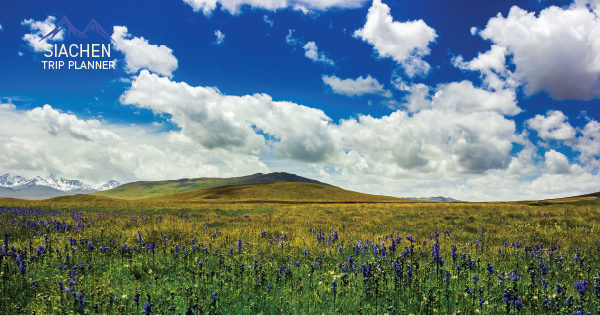
The climate of Gilgit-Baltistan is vary from upper areas Alpine and lower areas arid regions. Gilgit-Baltistan is the home of vast variety of flora and fauna. The existence of vast variety of medicinal plants in the upper region of Astore valley. The conservation of biotic and abiotic factor is essentials that does not effect from travelers and advice to remains on designated place. Eco-tourism in Gilgit-Baltistan will only succeed effectively.
Community-Based Tourism Models
Eco-tourism in Gilgit-Baltistan in valleys such as Shimshal, Hushey and Phander which provide traditional experiences but the income is retained in the village. Capacity building among the communities is also required for solid waste management and recycling. The local communities should utilise the tourism season as an opportunity to sell their local cuisine, handicraft and local dry fruits. Local people can also become tour guides for unexplored treks that they are well-versed in. In this way, tourism can be people-centred with minimum outside intrusion and physical interventions
Conservation of all Natural Resources
Gilgit Baltistan has the most valuable natural resource in the form of glaciers. These frozen water towers that cover more than about 5,000 square miles are the main source of the Indus River. Eco-tourism in Gilgit-Baltistan has placed much emphasis on the principle of leave no trace so as to avoid contamination of such waters.
Best Spots of Eco-Tourism Gilgit-Baltistan for Visitors
When you are thinking of a trip to see the Eco-tourism in Gilgit-Baltistan the following are the best sustainable destinations:
| Destination | Primary Eco-Focus | Best Time to Visit |
| Deosai National Park | Protect the Himalayan Brown Bear | June – Mid August |
| Hunza Valley | Sustainable Agriculture & Cultural Heritage | March – October |
| Hushey Valley | Wildlife Conservation | November-February |
| Khunjerab Park | Wildlife Conservation (Markhor/Snow Leopard) | May – October |
Eco-Friendly Traveler Tips
For greener Future in Gilgit-Baltistan you can take the following steps in order to make difference.
- Single-Use Plastic: Use a reusable water bottle and water filtration pills. Natural resource of fresh mountain water is pure, but plastic bottles are an epidemic in the valleys.
- Shop Local Artisans: Purchasing local crafts will directly help local people and conserve the traditional craft.
- Observe Cultural Decency: Seek consent before capturing images and wear decently in order to respect the culture of the local people.
- Travel Off-Peak: Touring during the shoulder seasons (Spring or Autumn) will mean fewer environmental stressors and will aid in preserving the biodiversity due to the lack of overcrowding.
Trophy Hunting, a Success Story, but a controversial one
A special model of conservation is common in the mountains of the Karakoram and Himalayan ranges. Trophy hunting in Gilgit-Baltistan is not an exclusive sport of the elite; it is a multi-layered socio-economic plan that aims at preserving biodiversity and at the same time offering a lifeline to locals communities. Although the concept of hunting endangered or iconic species such as the Markhor or Blue Sheep may appear contrary to the concept of environmentalism, the “Gilgit-Baltistan Model” has become a world-famous example of community-based conservation.
Frequently Asked Questions:
1. How does my visit help to conserve biodiversity?
Part of your National Parks permit money is directly into conservation funds. Moreover, when you visit eco-tours whose main goal is to see animals as opposed to hunting, you cause a market demand of living animals instead of seeing dead animals, which is the main aim of hunting.
2. How can the local community be supported?
Spend the night in locally-owned guest houses dine on local organic food, and employ porters and guides from the particular valley you are exploring. This makes the money remain in its place of greatest need.
3. Do the Deosai Plains have any particular rules of visiting?
Deosai is a highly protected area. You are not supposed to walk outside the tracks, you are not supposed to camp anywhere but in particular places and littering is heavily fined. This will be crucial to conserve the biodiversity of this high-altitude plateau.
4. Am I able to drink the water out of the streams?
On the one hand, it is crystal clear, but on the other hand, a filter or purification tablets are recommended. This not only keeps your health safe but also it will save you the cost of purchasing bottled water, which will save the natural resource of the land.
5. How is biodiversity significant in Gilgit Baltistan?
The ecosystem has been extremely fragile as it is so high and harsh. The disappearance of one species (such as a certain mountain plant or predator) will lead to the collapse of the entire chain, which will impact the water and food security of the local people.
6. Does eco-tourism cost more than tourism?
At times it might be because sustainable practices (such as proper waste disposal and decent wages to employees) are more expensive. But it provides a far more unique, natural experience which cannot be experienced in the mass tourism.