


So somebody asked me last week where they should actually go in Pakistan — like, if they only had two weeks, where’s worth it. And I kind of struggled to answer, not because there’s nothing to say, but because there’s too much. That’s the weird problem with this country. Everyone talks about the mountains, sure, but then you get someone who spent one evening in Lahore’s Food Street and won’t stop bringing it up months later.
Anyway. This is my attempt at putting together a real list — not the copy-paste top 10 you’ll find on half the travel blogs out there, but the places that actually keep coming up when you talk to people who’ve been. If you’re trying to figure out the nice places in Pakistan for an unforgettable trip, here’s where I’d start.
Okay, But Why Pakistan
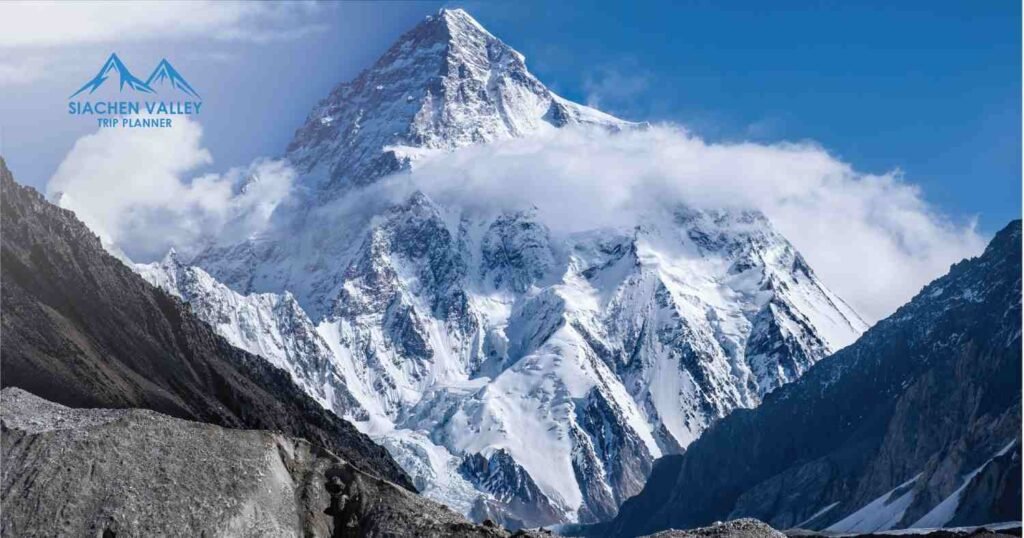
I get why it’s not everyone’s first thought. It doesn’t have the tourism budget of, say, Switzerland, and for a long time the news coverage didn’t exactly help either. But here’s the thing — this is a country with five of the fourteen “eight-thousander” peaks on Earth. K2 is here. Second highest mountain in the world, and it’s arguably harder to climb than Everest.
There’s also this layered history thing going on because of the old Silk Road — Persian influence, Central Asian influence, all mixed into the food and the buildings and even just how people talk to you on the street. And honestly? It’s still not crowded. You can stand somewhere genuinely breathtaking and not have fifteen other tourists in your photo. That won’t last forever, probably, so there’s an argument for going sooner rather than later.
Hunza Valley
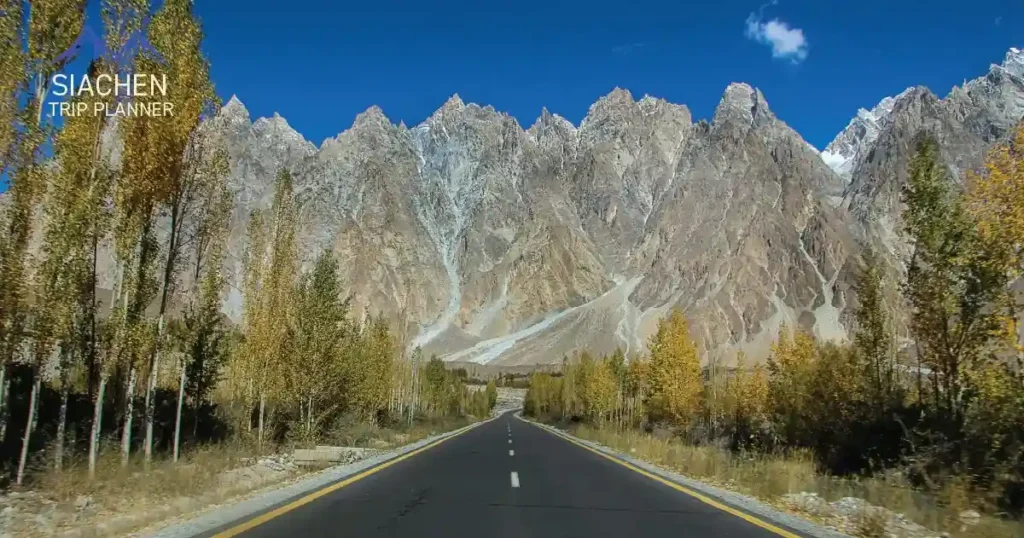
Everyone puts Hunza first, and there’s a reason for that — it earns it. Up in Gilgit-Baltistan, this valley does apricot orchards and glacier rivers that are this turquoise colour that genuinely doesn’t look real in photos (and no, it’s not filtered, I checked). Rakaposhi sits there in the background like it’s showing off. Come in autumn and honestly the whole valley just turns gold and orange, which is probably why half of Pakistani Instagram is Hunza photos every October.
Karimabad is your base — from there you can wander up to Baltit Fort, and a bit further, Altit Fort, both restored, both worth it even if forts usually bore you. Attabad Lake has a weird story behind it too: a landslide dammed the river back in 2010, and now there’s this surreal blue-green lake sitting there like it’s always been part of the landscape. Some people keep going all the way to Khunjerab Pass — highest paved border crossing on the planet, right where you cross into China.
Go between April and October. If you want the gold-leaf autumn thing, late September into October is your window, don’t go earlier expecting that.
Skardu
If Hunza’s the postcard, Skardu is where things get serious. It’s basically base camp territory — K2, Concordia, the Deosai Plains, all launch from here. You don’t need to be climbing anything to appreciate it though.
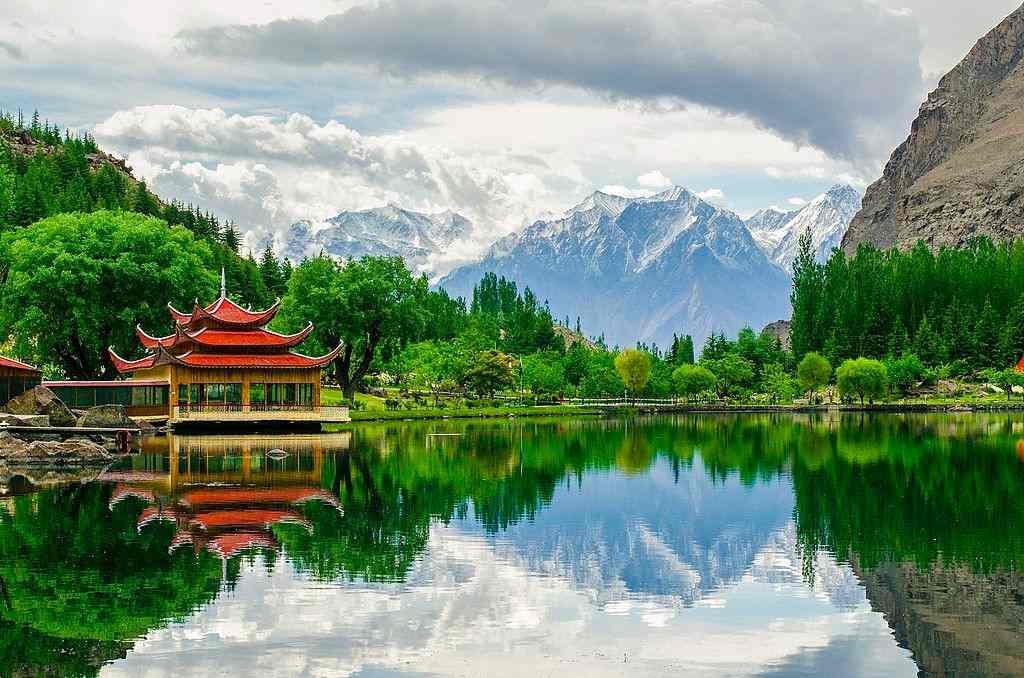
Shangrila Resort sits next to a lake shaped, naturally, like a heart (Lower Kachura), which is why everyone calls it “Heaven on Earth” and honestly the nickname isn’t even that dramatic once you’re standing there. Upper Kachura Lake, Satpara Lake, and then — this threw me off the first time I heard about it — an actual cold desert. Sand dunes at high altitude. Doesn’t compute until you see it. If you’ve got extra days, Deosai National Park is rolling alpine plains, wildflowers in summer, and if you’re patient (and a little lucky) you might spot a Himalayan brown bear from a distance.
May through September, once the passes clear of snow.
Swat Valley
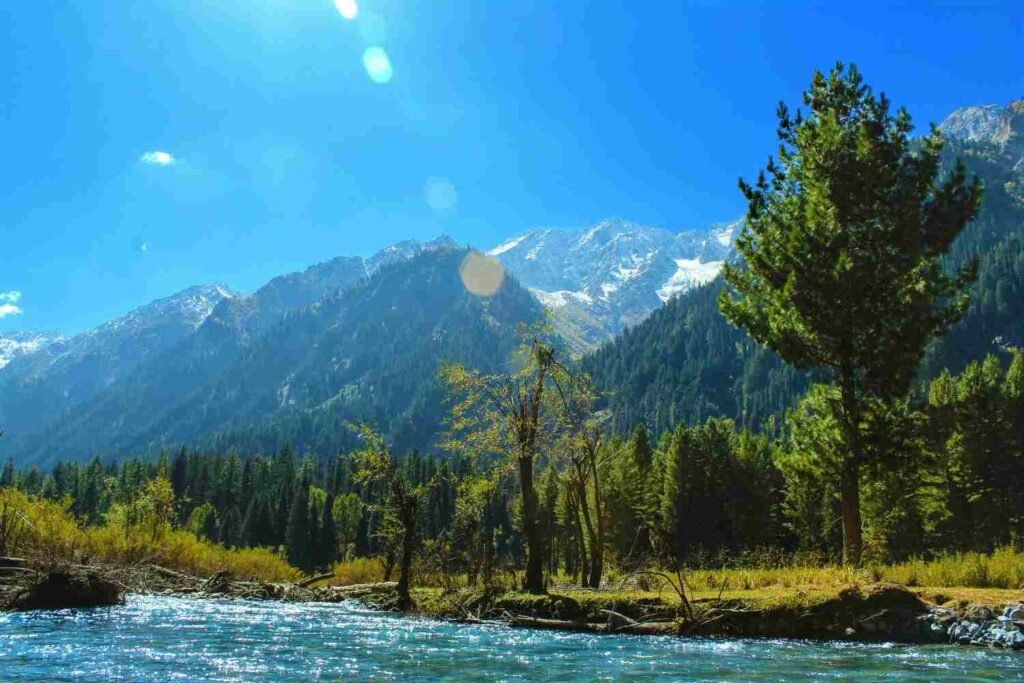
People call it “Switzerland of Pakistan” so often it’s become a cliché, but I mean, it’s not wrong. Pine forests, terraced farmland, rivers moving too fast to sit near comfortably. And unlike some of the deeper northern spots, Swat’s actually reachable — closer to Islamabad and Peshawar, less of an ordeal.
Mingora’s the main town, and it’s got Buddhist ruins from the Gandhara era tucked in — a reminder that this valley was a major Buddhist centre long before anyone called it “Switzerland” of anything. Push further, and you hit Kalam, Mahodand Lake, and in winter, Malam Jabba turns into the country’s biggest ski resort.
March to October if you want green. December to February if you’re after snow and skiing.
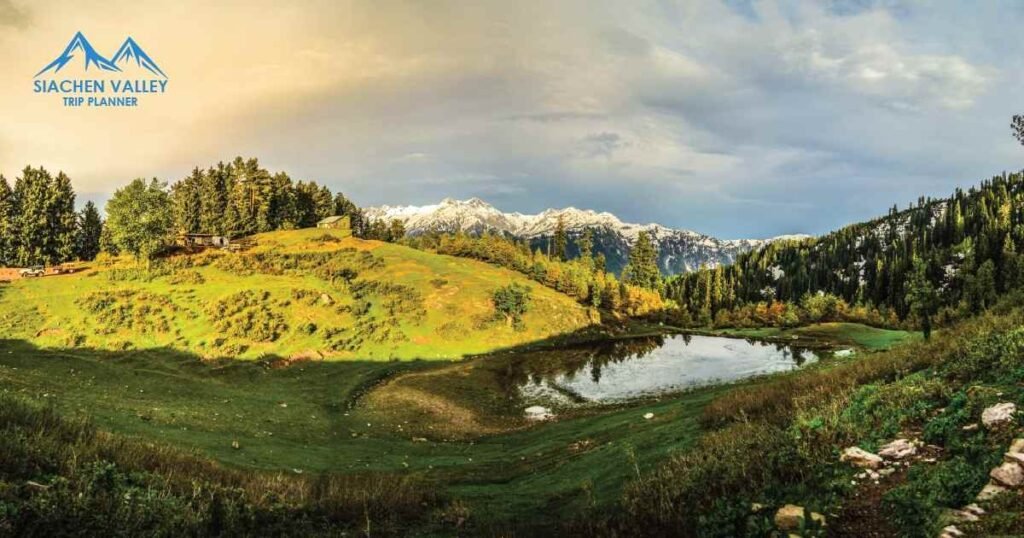
Fairy Meadows
The name kind of undersells it, honestly. This green plateau sits right below Nanga Parbat — ninth highest mountain in the world, and locals still call it “Killer Mountain” for a reason, the climbing routes up there are brutal. Standing in a soft green meadow with that wall of ice and rock looming right behind you is one of those things that photos genuinely fail to capture.
Getting there isn’t a walk in the park (well, part of it literally is). Jeep ride up a narrow track first, a bit nerve-wracking if you’re not used to mountain roads, then a short trek on foot. That’s exactly why it’s not overrun though. Camp overnight if your schedule allows — people who’ve done it tend to go quiet when they try to describe it, which says something.
June through September is the safe window.
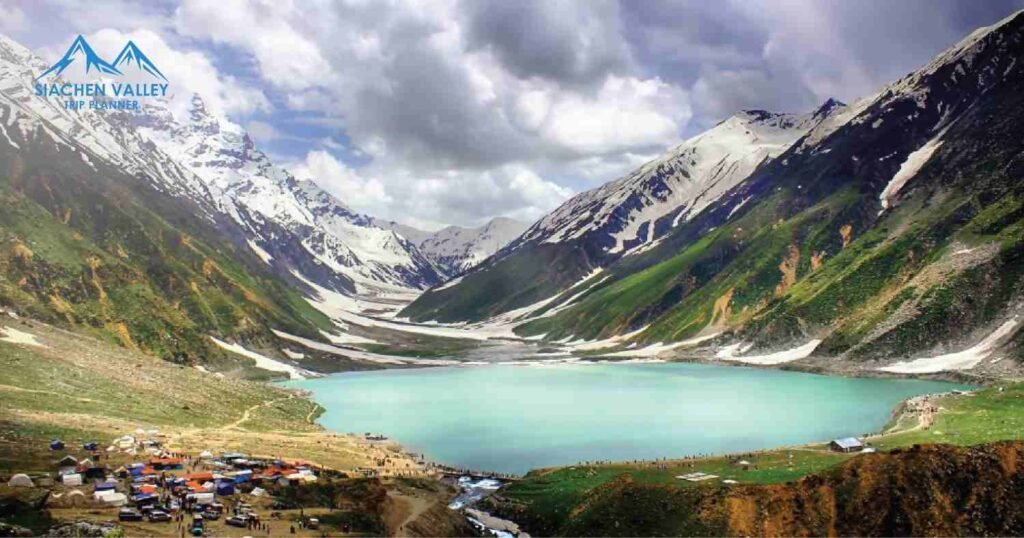
Naran Kaghan Valley
Closer to Islamabad, gentler than some of the deeper routes — a lot of families do Naran Kaghan as their first northern trip for exactly that reason. Lake Saiful Muluk is the main draw, deep blue, mountains all around it, and there’s local folklore about a fairy princess and a prince that makes for decent campfire conversation. Babusar Top gives you views stretching toward Chilas, and if you don’t mind a bit more walking, Lulusar Lake and Dudipatsar Lake are quieter — arguably prettier too, since fewer people bother.
June to September, mainly because that’s when the Babusar Top road is actually passable.
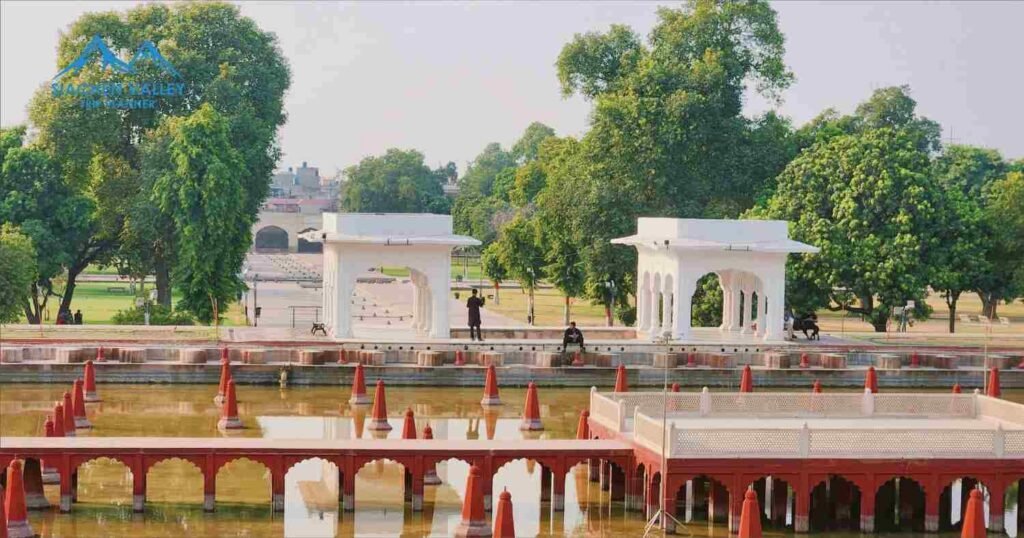
Lahore
Not everything worth seeing has snow on it. Lahore is Pakistan’s cultural center, full of Mughal-era architecture, and — I’ll just say it — one of the best food cities in South Asia, full stop. Lahore Fort and the Shalimar Gardens next to it are UNESCO sites, and Badshahi Mosque is one of those buildings that’s hard to describe without sounding like you’re exaggerating. You’re not.
Go to Food Street in the evening. Grilled meat, spicy karahi, naan straight from the tandoor, and the whole street just buzzing with noise and smoke and people. It’s chaotic in the best way. If you’re building your own version of a nice places in Pakistan for an unforgettable trip list, Lahore is what adds depth the mountains alone can’t give you.
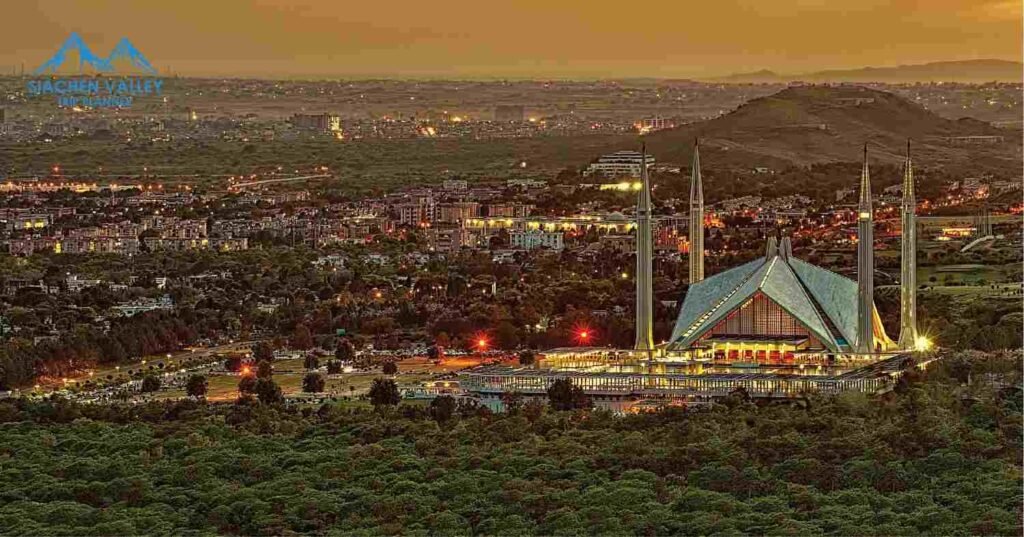
Islamabad and Murree
Islamabad’s usually where trips start — calmer than Karachi, calmer than Lahore even, with the Faisal Mosque as the centerpiece and the Margalla Hills right there for an easy hike if you need to stretch your legs. Less than an hour out is Murree, an old colonial hill station with pine slopes and a mall road that gets ridiculously crowded on weekends (fair warning). Patriata, or New Murree, has a chairlift and cable car that carries you above the treeline — small thing, but kids love it, and honestly so do most adults.
Islamabad’s fine year-round. Murree’s best December through February if snow’s the goal.
Kalash Valleys
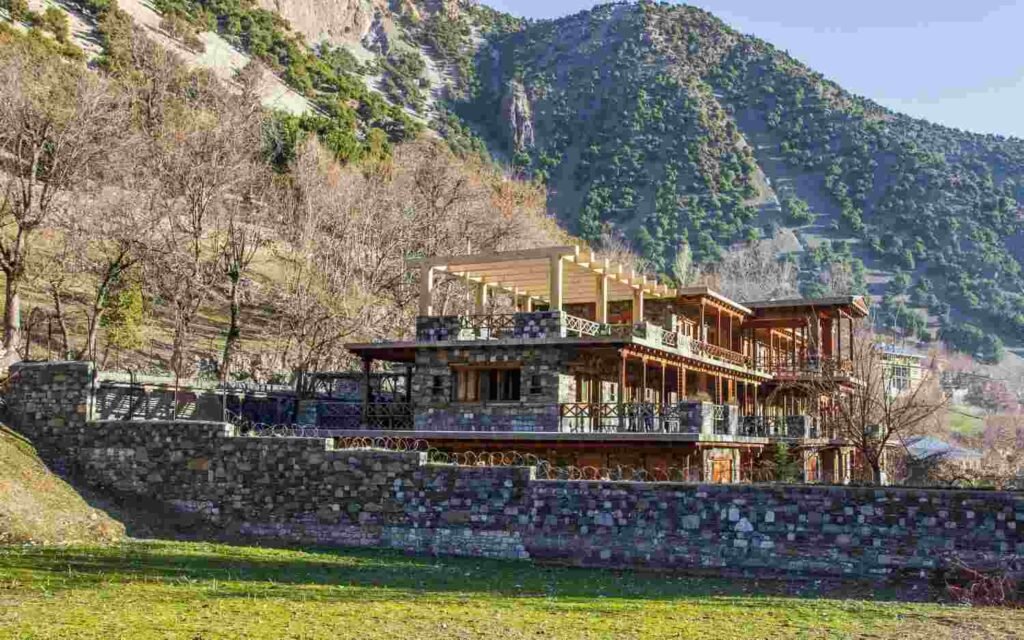
Tucked into Chitral, up in Khyber Pakhtunkhwa, the Kalash Valleys hold onto one of the last pre-Islamic cultures left in this whole region. Their own language, their own beliefs, festivals unlike anything you’ll see elsewhere in the country — Chilam Joshi, held every spring, is the big one, full of music and dancing and color. For anyone who cares as much about culture as scenery, this might be the most genuinely unique entry on this whole list of nice places in Pakistan for an unforgettable trip, mostly because there’s nowhere else quite like it, not just in Pakistan but really anywhere.
May if you want Chilam Joshi. September or October if you’d rather have the autumn colors instead.
A Few Things Worth Knowing Before You Go
Some of this is common sense, some of it isn’t as obvious. If you’re a foreign national heading to Gilgit-Baltistan or Chitral, check current travel advisories and NOC requirements before booking flights — these rules genuinely shift more than people expect, sometimes without much notice. And don’t try to cram five destinations into four days. Mountain roads are gorgeous, but they’re slow, and you’ll end up spending most of your trip staring out a jeep window instead of actually being anywhere.
Pack layers no matter what season it is — the temperature difference between valley floor and higher elevation can be brutal, and I mean brutal, like needing a jacket and sunscreen on the same afternoon. Cash matters more than cards once you’re outside the big cities; ATMs get unreliable fast. And if it’s your first trip north, hiring a local guide isn’t a bad call — safer for you, and it puts money directly into communities that depend on tourism.
Final Thoughts
There’s a reason people who visit once tend to come back, sometimes within the same year. The landscapes hold up against anywhere else on the planet, the history runs deep, and the hospitality is the kind you don’t really believe until someone’s insisting you eat a second plate of food you didn’t order. These nice places in Pakistan for an unforgettable trip are really just a starting point — a place to begin, not a checklist to finish. Whether you end up somewhere near K2 base camp or lost in a Lahore bazaar at sunset, you’ll probably leave already thinking about when you can come back.
Frequently Asked Questions
1. What are the nicest places in Pakistan for an unforgettable trip? Most people land on Hunza Valley, Skardu, Swat Valley, Fairy Meadows, and Lahore. They’re pretty different from each other honestly — turquoise lakes, huge peaks, old architecture, incredible food — so it really comes down to what you’re after. Mountains, culture, or a mix of both.
2. When’s the best time to visit northern Pakistan? May through October generally, since that’s when the mountain passes are open and weather’s manageable. Want Hunza’s autumn colors specifically? Push it to late September or October — go earlier and you’ll miss the whole point of that trip.
3. Is it actually safe to travel in Pakistan these days? Tourism up north has grown steadily, and popular routes like Hunza, Skardu, and Swat see plenty of visitors — both local and international — without major issues these days. That said, things vary by region and can change, so check your government’s current travel advisory before booking, and again closer to your actual departure.
4. Do I need a special permit for Gilgit-Baltistan or Chitral? For most nationalities a normal tourist visa covers the popular routes just fine. Some restricted or border-adjacent zones might still need an NOC though, and the rules do shift occasionally, so it’s worth confirming with a local operator right before you go instead of trusting older info you found online.
5. How many days do I actually need up north? If you want to properly cover Islamabad, Naran Kaghan, Hunza, and Skardu without rushing the whole time, budget 10 to 14 days minimum. Less time than that? Pick one or two regions instead — Hunza and Skardu together works well — rather than trying to squeeze everything in and spending most of it in transit.