

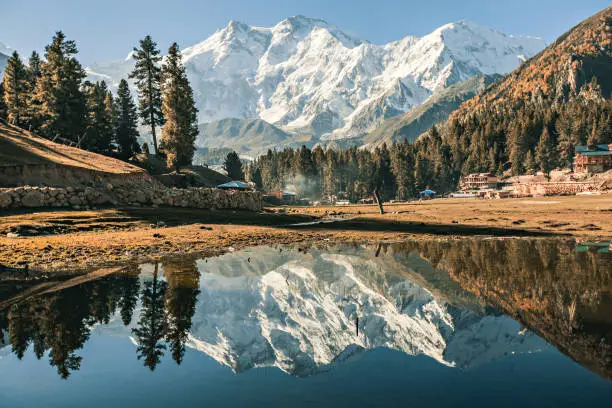
Let’s be honest about something first: Pakistan’s mountains have been sitting in plain sight for decades while everyone booked flights to Nepal instead. Same Himalayan range, arguably more dramatic terrain in places, way fewer crowds — and somehow it took this long for the wider travel world to notice. That’s finally shifting. Sixty-plus peaks over 7,000 meters, three mountain systems colliding in one country (Karakoram, Himalaya, Hindu Kush), and in 2026 the logistics of actually getting there have gotten a lot less painful than they used to be.
This isn’t a “top 10 things to do” listicle. It’s the stuff you actually need to know before you commit money and vacation days to this trip — timing, visas, permits, which valleys are worth it, and how not to get stranded because you didn’t plan for a landslide.
So why is everyone suddenly talking about Pakistan?
Partly it’s the roads. The Karakoram Highway has gotten steadily better, which sounds boring until you realize it used to take days longer to reach places like Skardu. Partly it’s Instagram — Hunza Valley photos have been doing quiet, relentless work for years. And partly it’s that local tour operators have gotten their act together: more licensed guides, better rescue coordination, visa categories that actually make sense now instead of feeling like a bureaucratic maze.
None of that means it’s easy. It’s still remote. It still asks a lot of you physically. But “harder to access than five years ago” is no longer true, and that’s the real story here.
When to actually go
Timing matters more here than in most places, because a single monsoon downpour can close a valley road for a week with zero warning.
May through September is your window for standard trekking — snow’s cleared the passes, weather’s stable enough to plan around. July and August specifically are when the big-name routes like K2 Base Camp get busy, since conditions are at their most predictable.
Winter (December–February) is a different game entirely, mostly for hardcore mountaineers going after technical winter summits. If that’s not you, skip it — unless you just want to see Naran under snow, which is its own kind of pretty.
One thing people don’t realize: Gilgit-Baltistan and Khyber Pakhtunkhwa don’t share a weather pattern. GB sits in a rain shadow, so it stays surprisingly dry even in monsoon season. KP gets hit harder — July through September can mean real landslide risk on some routes. Check both regions separately when you’re planning, not as one blob called “the north.”
The visa situation (read this twice)
Here’s where people mess up, so slow down for a second.
You cannot just show up on a standard tourist e-visa and head into the high mountains. There’s a dedicated Mountaineering and Trekking Visa category, and it needs a sponsorship or invitation letter from a licensed Pakistani operator. Apply through the official online portal — not through some random agent who messages you on WhatsApp.
Now the part that actually trips people up: even with the trekking visa, if you’re heading toward K2 or the Baltoro region, you need a separate No Objection Certificate (NOC) from the Ministry of Interior. You can’t apply for this yourself — has to go through your licensed operator — and it can eat up several weeks. I’ve heard from more than one traveler who assumed their visa alone covered everything and ended up scrambling two weeks before departure. Don’t be that person. Start the NOC process the moment you commit to the trip, not after you’ve bought flights.
Permits and royalty fees — the zone system
Pakistan splits its mountain areas into open zones and restricted zones. Open zones are relatively painless. Restricted zones — Baltoro, Gondogoro Pass, the K2/Gasherbrum cluster — need formal permits stacked on top of your visa paperwork.
Royalty fees get reset every year by the government, so anything you read online (including, frankly, this article eventually) has a shelf life. Broadly: fees scale with altitude, and winter attempts sometimes get a discounted royalty rate, which is part of why a small handful of elite climbers specifically chase winter ascents instead of summer ones.
A few non-negotiables regardless of season: solo trekking is banned in restricted zones, a licensed guide is mandatory, and you physically carry your permit on the trek — a screenshot on your phone won’t cut it at checkpoints. Processing takes weeks. Build that into your calendar early or you’ll be the group standing at a checkpoint with an email confirmation and no actual paper.
Where to actually go
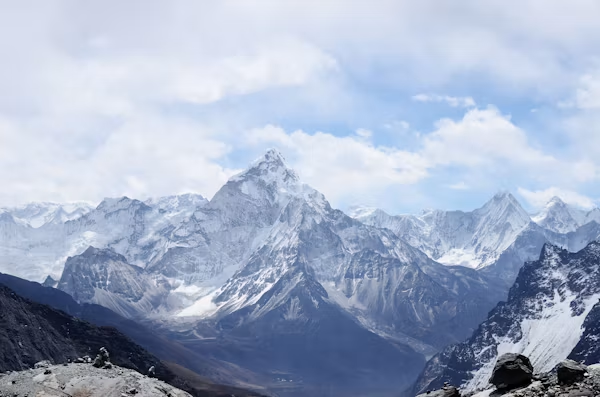
Gilgit-Baltistan is the backbone of it all — most expeditions funnel through here one way or another, and the Karakoram Highway itself is worth the trip regardless of what you’re climbing.
Hunza Valley has become the region’s unofficial ambassador — apricot orchards, Rakaposhi looming in the background, and honestly one of the more comfortable places to base yourself since guesthouses and cafes have multiplied here faster than anywhere else up north.
Skardu and the Baltoro region are your entry point if K2 Base Camp or Concordia is the goal. Skardu’s grown up fast — better flights, more outfitters, less of the “figure it out yourself” energy it used to have.
Chitral and the Kalash valleys are a different trip altogether. Less about summits, more about culture — the Kalash communities here are some of the smallest and most distinct in the country, and honestly worth the detour even if you’re not a serious trekker.
Naran-Kaghan and the Deosai Plains are the low-commitment option — accessible without a multi-week expedition, and Deosai’s high-altitude plateau gives you a shot at spotting Himalayan brown bears without needing technical climbing skills.
Routes worth your legs
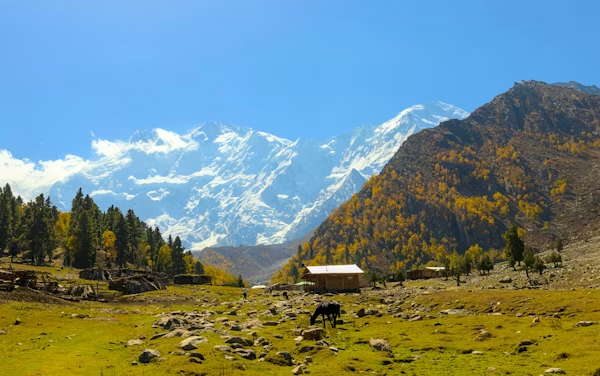
K2, Nanga Parbat, Gasherbrum — these are the names everyone knows, but you don’t need to be a mountaineer to get something real out of this country.
Fairy Meadows to Nanga Parbat Base Camp is the classic approachable multi-day trek — close-up views of the world’s ninth-highest peak without requiring technical skill. Rush Lake, sitting among the higher alpine lakes in the region, and the trails circling Passu Glacier are solid middle-ground options — real mountain experience, less extreme altitude, no roped-up climbing required.
Safety — don’t skip this section
Rescue infrastructure has improved but it’s patchy. Cities respond fast. Remote valleys? Could take hours, sometimes longer. A personal locator beacon isn’t overkill for a serious trek — it’s just sensible. Tell your operator or embassy your itinerary before you disappear into a valley with no signal.
Altitude sickness is the quieter risk that catches people off guard. A lot of the best routes gain elevation fast, so acclimatization days aren’t optional extras — they’re the difference between a great trip and a medical evacuation. Get travel insurance that specifically covers high-altitude trekking and emergency evacuation. Standard travel insurance usually doesn’t, and people find that out at the worst possible moment.
Logistics and where to sleep
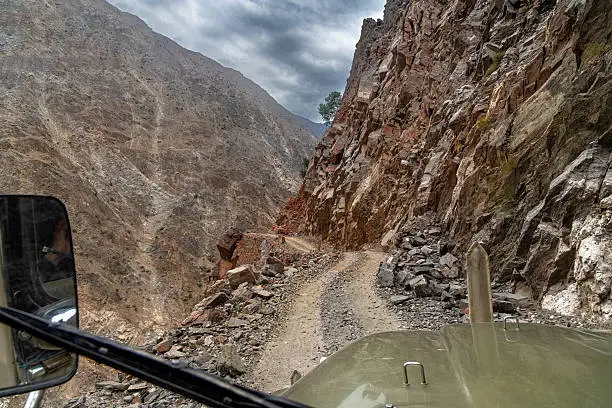
Accommodation runs the gamut — guesthouses in Karimabad and Skardu on one end, basic tent camps on multi-day treks on the other. A licensed local guide isn’t just a legal checkbox in restricted zones; they genuinely know things no guidebook will tell you — which river crossing is safe this week, which pass is still snowed in. The Karakoram Highway is gorgeous but slow, so pad your itinerary with extra travel days instead of assuming quick transfers between towns.
A word on how you show up
Communities in Hunza, Baltistan, and Chitral are genuinely warm, but that hospitality shouldn’t be taken for granted. Dress modestly, ask before you photograph people, and remember these valleys are absorbing a fast rise in visitor numbers — not all of it comfortably. Stick to marked trails, carry your trash back out, and put your money toward local guides and homestays rather than big outside operators where you can. Small choices, but they add up in places this ecologically fragile.
What it’ll cost you
Budgets swing wildly depending on how much you DIY. Visa fees, permits, guide and porter wages, gear rental — that’s the core of any trekking budget, and joining a group trek through a local operator is almost always cheaper than assembling everything piece by piece yourself. Backpackers can get by reasonably on guesthouses and local transport. Full-service international expedition packages sit at a completely different price point — know which trip you’re actually booking.
Packing — don’t overthink it, but don’t underpack either
Temperature swings hard between day and night at altitude, so layering isn’t optional. Sub-zero rated sleeping bag, proper waterproof boots (not “should be fine” sneakers), moisture-wicking base layers, a real insulated jacket. And carry physical copies of your permits, passport, and insurance — checkpoints along restricted routes will ask, and a phone photo isn’t always accepted.
Last thing
Pakistan’s mountains don’t punish poor planning gently. Start your visa and NOC process the moment you decide this is happening. Pick an operator with an actual license, not just a nice website. Give your itinerary breathing room for weather delays, because they will happen.
If you do it right, you get something genuinely rare in 2026 travel — landscapes that haven’t been flattened into an Instagram formula yet, and a sense of scale no camera lens quite captures. Talk to a licensed Pakistani trekking operator before you lock anything in; permit rules and fees shift every year, and this article will be a little out of date the moment the next government notification drops.