


A friend of mine spent almost two hours at a Pakistani passport office last year because she filled the wrong form. Not because she made a mistake exactly — she just didn’t know Pakistan issues more than one kind of passport.
There are actually a few different types, each built for a different kind of traveler, and knowing which one is yours can save you a genuinely annoying trip back to the office. So here’s the whole thing, laid out plainly — no confusing government language, just what you actually need to know.
What a Pakistan Passport Really Is
Basic definition first. A Pakistan passport proves your nationality when you step outside the country’s borders. It’s issued through the Directorate General of Immigration & Passports, sitting under the Ministry of Interior, and legally it all traces back to the Passport Act of 1974.
Here’s a small detail I didn’t know until I looked it up properly — the first Pakistani passport was issued in 1947, the very year the country came into existence. Then in 2004, things moved to machine-readable passports. And in 2023, Pakistan rolled out the biometric e-Passport, finally catching up with where most countries already were.
The Passport Types, Colour by Color
This is really the easiest way to think about it. Look at the cover.
Green, Ordinary Passport
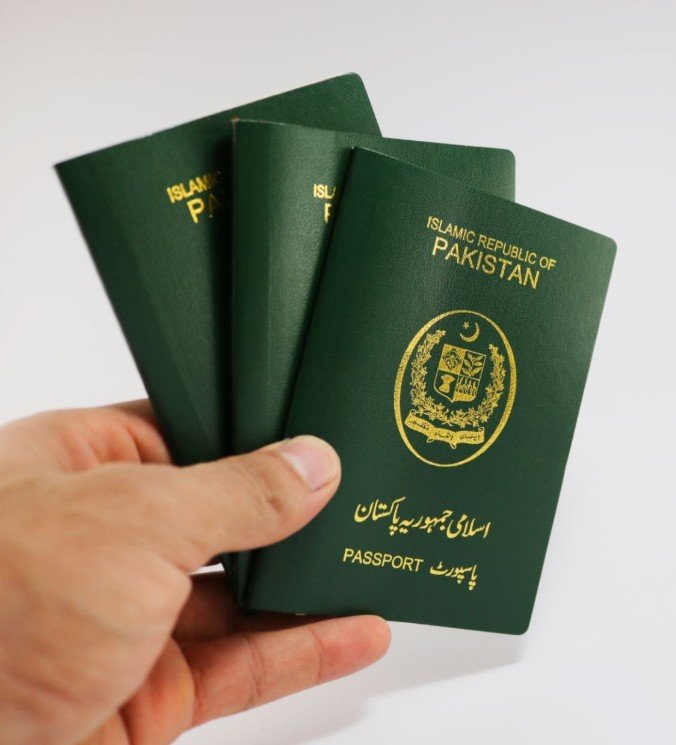
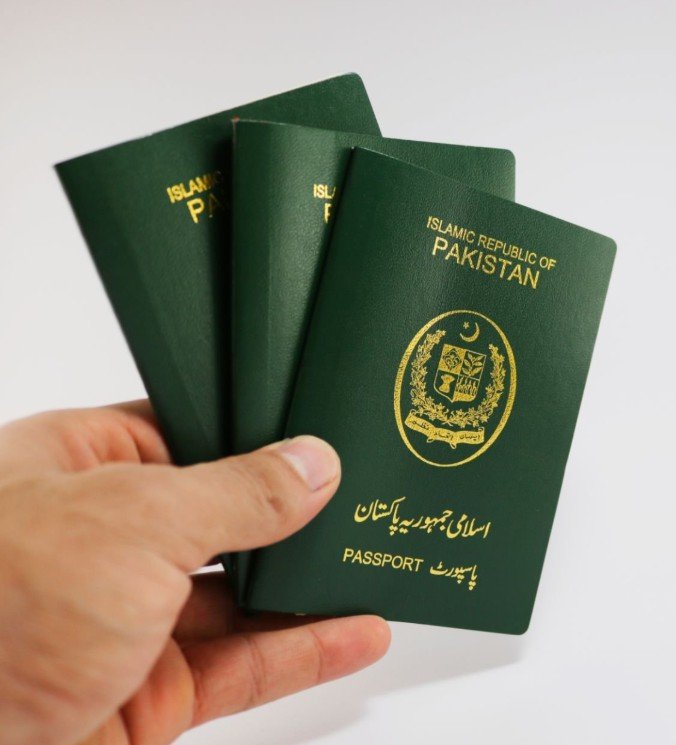
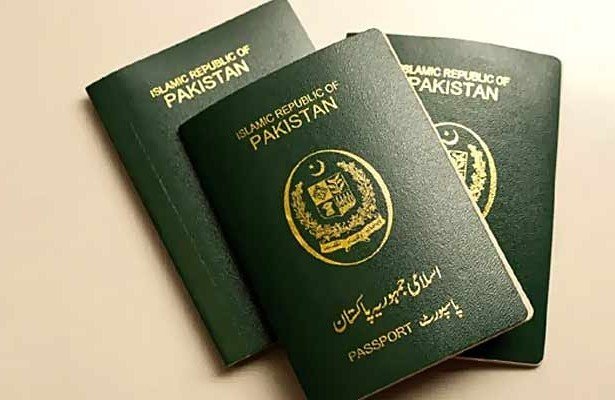
This is what almost everyone reading this article actually needs. Tourists, students, people going for work, weddings, whatever the reason. You just need a valid CNIC, or a Form-B if it’s for a child, and you shouldn’t have any pending government restrictions against you. That’s genuinely all there is to it.
Blue, Official Passport
Not something you can just apply for on your own. This one’s for people travelling abroad specifically because of their government position — senators, MNAs, provincial ministers, judges sitting in the Supreme Court or High Courts, officers on official assignment. People sometimes call it the “service passport,” and it carries the letter S on it. You’ll also need a formal recommendation letter from your department before this even gets processed.
Red, Diplomatic Passport
The top of the ladder. Ambassadors, federal ministers, senior officials representing the country abroad. It only gets issued on the Ministry of Foreign Affairs’ recommendation. Oddly specific fact — spouses of diplomatic passport holders get one too, for as long as their partner keeps that official position. And no, you can’t hold this alongside any other passport type at the same time. Once it’s handed back, the person usually gets switched to an ordinary passport instead.
There’s a fourth type too, though it barely comes up in conversation — the Travel Document, meant for stateless people or refugees who’ve been given permission to travel internationally.
Validity and Page Count — the Part Nobody Explains Properly
Once you know your type, there are still two more choices waiting.
Validity: five years or ten. Straightforward, except if you’re under 15 — in that case, five years is your only option, no negotiating.
Pages: 36, 72, or 100. If you’re someone who travels constantly and your passport fills up with stamps fast, going for the 100-page version genuinely saves you from an early renewal you didn’t need.
MRP or e-Passport — What’s Actually Different
People throw around “e-passport” like it’s obvious what it means, but a lot of folks don’t actually know. The Machine Readable Passport, or MRP, has been the standard since 2004. The e-Passport is newer — it has a chip embedded inside carrying your biometric data, which makes verification faster and border security tighter.
For a while, only diplomats and officials could get the e-Passport version. That opened up to regular citizens in December 2022, though the actual rollout only started in January 2024. By August 2023 it had already spread past Islamabad into field offices across the whole country, so wherever you’re applying from now, it’s not some special-city-only thing anymore.
Okay, So Which One Do You Need?
For almost everyone reading this — it’s the green one. Ordinary Passport. Unless you’re a government employee traveling on official duty (blue), or a diplomat representing the country abroad (red), or someone in the rare refugee/stateless category (the Travel Document), you’re looking at the standard green passport. If you happen to travel a lot for work, just go for the 100-page version so you’re not stuck renewing early because you ran out of space.
What It Costs You
Prices shift depending on type, validity, and how fast you want it. Right now, a standard MRP with five-year validity runs around Rs. 4,500, and the ten-year version costs about Rs. 6,700. e-Passports cost more — roughly Rs. 9,000 for five years, Rs. 13,500 for ten.
Processing time matters just as much as price. Standard applications take up to 21 working days. If you pay for urgent service, it drops to around 5 days — obviously at a higher cost. If your travel dates are close, don’t cut this timeline close. It’s not worth the stress.
Why Any of This Actually Matters When You’re Planning a Trip
Something people forget until it bites them — your passport type and how much validity is left on it directly affects your visa applications. Some embassies specifically ask which category of passport you hold, and if yours is close to expiring, plenty of countries will just reject the visa application outright, no discussion.
Worth being honest here too — Pakistan’s passport currently sits at 92nd globally, with visa-free access to only around 13 countries. That’s not something to feel great about, but it is a good reason to start visa applications early instead of assuming everything will sort itself out a week before you fly.
Questions People Actually Ask
- What color is the regular Pakistan passport?
Green. That’s the Ordinary Passport, and it’s what the majority of citizens carry.
- Can I choose between five and ten years myself?
Yes, if you’re an adult. Anyone under 15 only gets the five-year option, no exceptions.
- How many pages can the passport have?
36, 72, or 100. Frequent travellers usually go for the higher page count.
- Who qualifies for an Official Passport?
Senators, MNAs, provincial ministers, Supreme Court or High Court judges, and government officers on official assignments abroad — and only with a formal recommendation from their department.
- Can someone hold a diplomatic passport and a regular one together?
No. It’s one or the other while the diplomatic passport is active.
- How long does a new passport actually take to arrive?
About 21 working days normally, or roughly 5 days if you go with urgent processing.
- What’s the real difference between MRP and e-Passport?
MRP is the standard version that’s been around since 2004. The e-Passport has an embedded chip with your biometric data, which speeds up verification and tightens security at borders.
- Do spouses of diplomats get their own passport too?
Yes, as long as their partner still holds the diplomatic position that qualifies them for it.
Last Thing
None of this is actually complicated once it’s laid out. Most people just need the green Ordinary Passport, full stop. Government roles have their own categories built around the job itself, not something the average traveler needs to worry about. One thing worth doing before you apply, though — check the current fees and processing times with your nearest passport office or embassy directly. These numbers do get revised now and then, and it’s a five-minute check that saves you a wasted trip.