


Food tourism in Gilgit Baltistan is a melting pot of traditional cuisine local produce and organic flavors that reflects the rich cultural heritage of the region. For the taste buds and the spirit, this is a journey of flavors and experiences that you will not have in any other place.
This is the Magic of Food Tourism to Gilgit-Baltistan
Eating is not the only part of https://siachentripplanner.com/mountain-tourism-in-baltistan/food tourism in Gilgit-Baltistan; it is also a journey deep within the life and culture of the area. The food that is traditionally eaten in the region of Gilgit-Baltistan is a reflection of the people’s resourcefulness and the natural surroundings. Whether it’s a filling loaf, a fragrant meat, or a fresh milk or cheese, every meal is made with attention and sometimes even organic, local ingredients.
Authenticity is the essence of food tourism in Gilgit-Baltistan. They can savor the flavors of ancient dishes, indicative of the cultural diversity and history of the region. By sourcing locally, not only does this help in sustainable food practices, but it also guarantees that every bite is fresh and delicious.
The traditional food of in Gilgit Baltistan is a taste of heritage
The traditional food Gilgit-Baltistan is characterized by its simple yet wholesome preparations. Staples: wheat, barley, millet, and pulses, locally grown vegetables and fresh meats of which the major species are lamb, goat and yak. The region’s love for dairy is evident in one of its most popular dishes Gushtaba, which is a meatball delicacy prepared in a rich yogurt gravy.
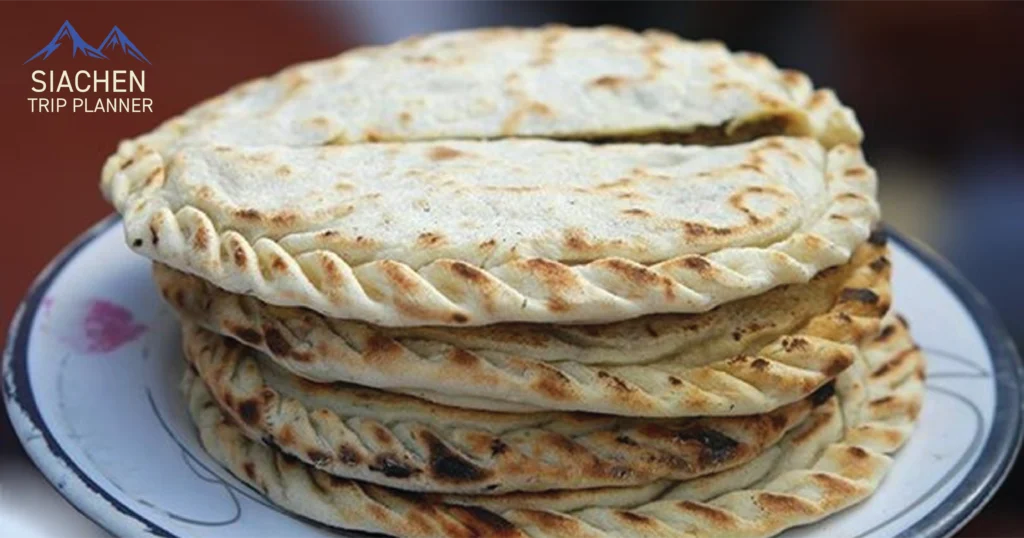
Chapshuro
Another popular dish in a similar style to a meat filled bread is chapshuro. Chapshuro is a pizza from the Hunza and Nagar valleys and has been referred to as the “Hunza Pizza“. It is a meat filled whole wheat bread with minced beef / yak meat onions and local spices in the center. Chapshuro packs a lot of lean protein and complex carbohydrates into the package, from a nutritional perspective. The whole wheat offers dietary fibre for digestion and the meat offers iron and vitamins B. Food Tourism in Gilgit-Baltistan is a popular attraction for tourists and they frequently add Chapshuro tasting to their food tourism tour packages.
Mamtu
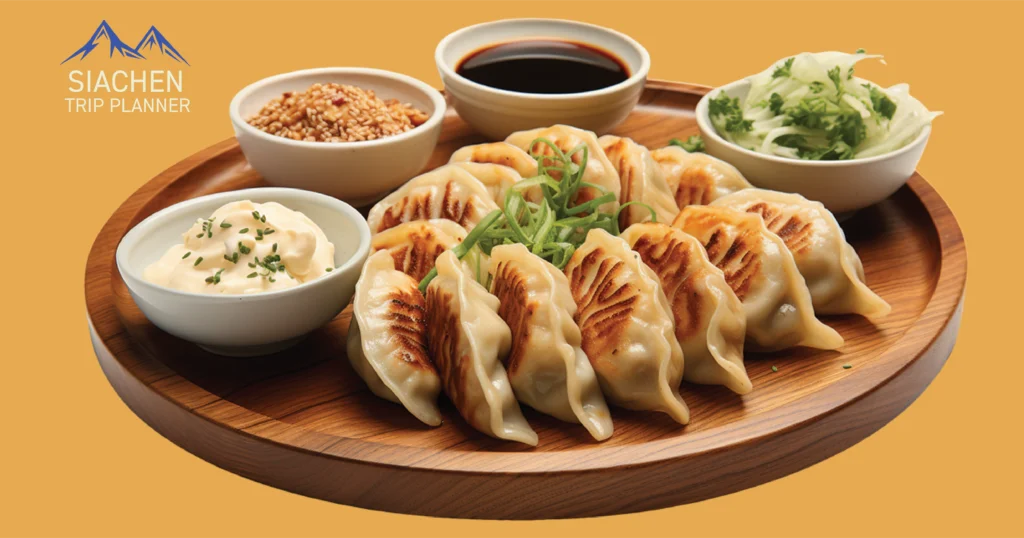
Mamtu is one of the most popular traditional foods of Baltistan. Mamtu are delicate steamed dumplings filled with minced meat, usually beef mixed with a generous amount of onions and garlic. Mamtu is steamed instead of fried, it has greater nutrients and much less fat as compared to many other savory snacks. Packed with meat goodness high in zinc and vitamin B12, the dumplings are also a light, satisfying snack. Visitors to the region are keen to try out real Mamtu experiences in traditional Balti houses and eateries.
Balay
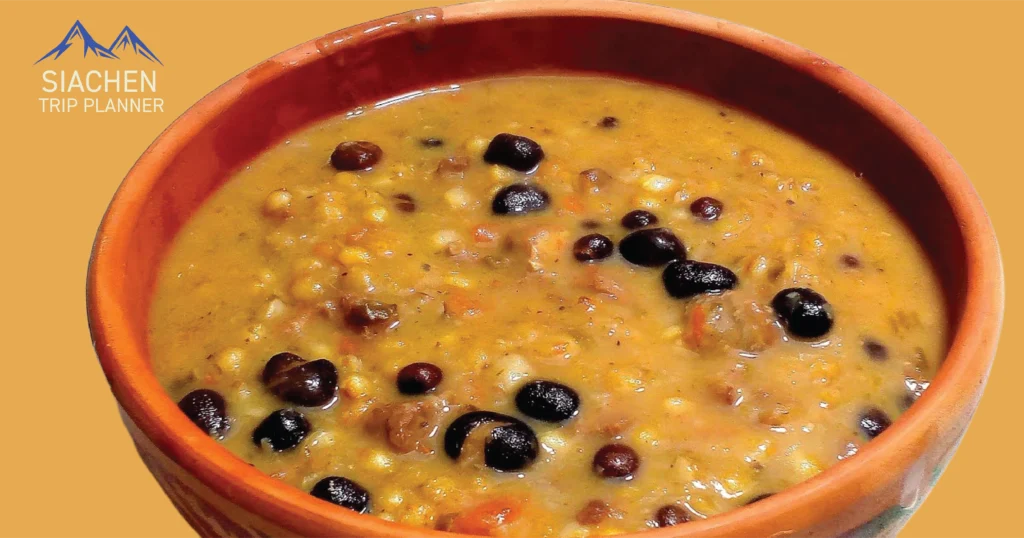
Balay is a delicious noodle dish prepared with vegetables, butter and local herbs. Balay is a traditional thick soup or noodle dish made with pieces of meat in a savory broth sometimes with hand-cut wheat and sometimes with a variety of other noodles. It is a favorite’s food item for the tough winters in the region of Gilgit-Baltistan. Balay is often made with local herbs and is a great “one pot” source of fiber protein and warmth and a functional food for recovering and increasing vitality. With its rich flavor and organic preparation, it’s a highlight of local culinary tours.
Harisa
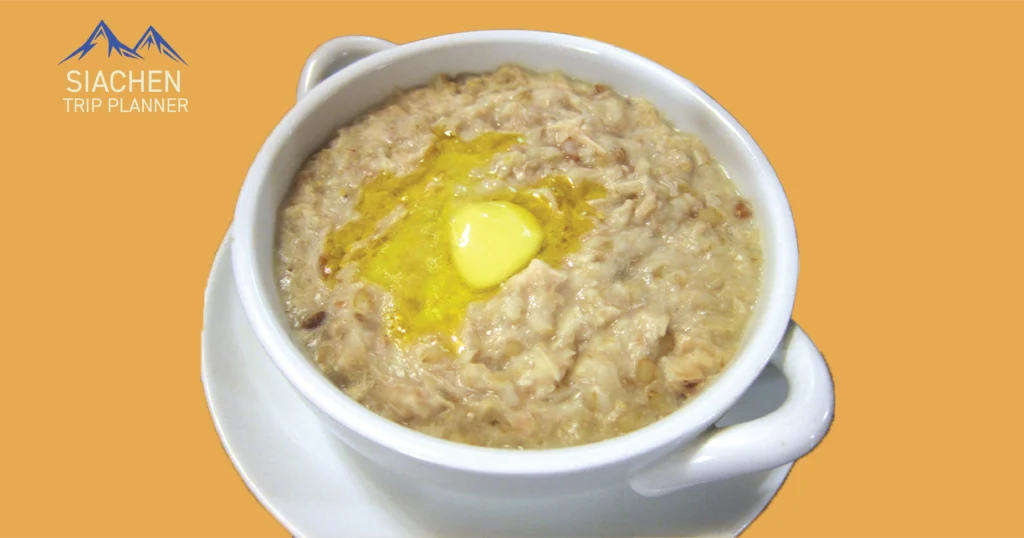
Harissa is a slow-cooked blend of wheat, meat and butter. Harisa is a particularly special and porridge like meat and beaten wheat cooked together until smooth and elastic. Very high in nutrients, grains and meat makes a complete amino acid. Harisa is highly recommended to give long lasting satiety and energy and is a favorite’s breakfast food. It has a lot of dietary fiber that is obtained from the wheat and this is beneficial for regulating blood sugar. Harissa is a favorite among tourists who are passionate about traditional food Gilgit-Baltistan.
The use of Local Ingredients in Food in Tourism in GB
Being local ingredients a major attraction of food tourism in Gilgit Baltistan is another important feature. The cool mountain climate and rich valleys yield organic fruits, nuts and vegetables that are a part of the local cuisine. Apricots, walnuts, almonds and fresh herbs thrive here and are widely used in food preparation.
This local abundance not only adds to the flavors, but also promotes organic agriculture and sustainability in Gilgit-Baltistan’s food tourism. Visitors should visit farmer markets and local food shops which provide fresh fruits and vegetables and traditional spices, allowing them to experience the delicious food of Gilgit-Baltistan right from the source.
A local cuisine adventure; explore the local cuisine
Food tourism in Gilgit-Baltistan welcomes food enthusiasts and wanderers alike to explore and embark on a culinary journey. But food tasting is not the only form of tourism that can be enjoyed. Visitors can also take part in cooking courses, visit farms and learn how to cook traditional dishes that have been passed down the generations.
Eating local food also means eating local hospitality, usually meals are served family style. The warmth and community spirit are equally important in food tourism in Gilgit-Baltistan as the ingredients and recipes.
Why Food in Tourism of Gilgit-Baltistan?
Authentic Taste Experience: Food tour in Gilgit-Baltistan provides authentic taste of the local resources and tradition.
Organic and Sustainable: Focused on organic farming and local ingredients providing fresh and sustainable food.
Rich Cultural Heritage: Each dish is a story about the People their History and their Environment.
Scenic Culinary Journey: Delight in the beauty of the scenery and the delicious food, for a full sensory experience.
Frequently Asked Questions about Food Tourism Gilgit-Baltistan
What makes food tourism Gilgit-Baltistan unique?
Food tourism in Gilgit-Baltistan is unique due to its use of traditional recipes passed down for generations, reliance on fresh local ingredients, and strong connection to the region’s cultural and natural heritage.
What are some traditional foods of Gilgit-Baltistan which are to be tried?
Some of the traditional must-try food of Gilgit-Baltistan are Gilgit Chapter, Mantu, Gilgit Soup, Mustard Bread, Gulab Jamun, Gilgit Chapati and Guskhana.
Is the ingredients used in Gilgit-Baltistan Organic?
Yes, in G-B many items are organic and are produced on the pristine mountain environments without use of synthetic chemicals, thus promoting sustainable food tourism.
Do tourists have the opportunity to contribute in food preparation in Gilgit-Baltistan?
Absolutely! Food tourism in Gilgit-Baltistan also promotes tourists to participate in the cooking classes and local preparation of food, providing them with an immersive culinary experience.
In what way food tourism helps the people of Gilgit Baltistan?
Food tourism can be considered as the promotion of local farmers, artisans and food vendors, by generating demand for traditional and organic products, which boost the local economy.
What is the ideal season for food tourism in Gilgit-Baltistan?
Spring and summer are the best periods when fresh produce is available and often food festivals are held celebrating local cuisine.
Is there any festival of food in Gilgit Baltistan?
Yes, there are food festivals held in Gilgit-Baltistan that celebrate local cuisine, traditional food, and culinary heritage, offering ample opportunities for exploration.
Is it possible to have a vegetarian food tour in Gilgit-Baltistan?
Though meat is a cornerstone of Gilgit-Baltistan’s cuisines, vegetarian dishes made from pulses, grains and fresh local vegetables are available, owing to its diversity.