


This Hunza tour guide is my attempt to put down what actually matters before you go — not a recycled “top attractions” list, but the stuff that changes your trip: when to time it, If you’re trying to explore the heart of Gilgit-Baltistan properly and not just tick boxes, hopefully this saves you some guesswork.
I still remember the first time I saw Rakaposhi from the road near Karimabad. The car just stopped — not because the driver planned to, but because everyone in it wanted a minute to actually look at it. That’s Hunza for you. You come for the photos everyone’s already seen online, and then the place quietly does something else to you entirely.
Why Hunza Gets Under Your Skin
At around 2,400 meters, the valley sits boxed in by the Karakoram range on nearly every side. Rakaposhi, at 7,788 meters, is the one you’ll notice first and keep noticing — from your hotel balcony, from the middle of a walnut orchard, from a random bend in the road you weren’t expecting a view from.
People love bringing up the Shangri-La connection — that Hunza supposedly inspired the hidden paradise in James Hilton’s old novel. I used to think that was just tourism-brochure talk. Then I sat in Karimabad one evening with the fort glowing gold above me and the river running somewhere below, and honestly, I got it.
What a lot of guides skip is the history part. Hunza was its own princely state, ruled by a Mir, right up until 1974. That’s not ancient history — people’s grandparents remember it. You’ll feel that layered past in the architecture and in how locals talk about their village, which is part of why this isn’t just another mountain valley with good Instagram lighting.
Getting There (And Why You Shouldn’t Rush It)
Most first-timers underestimate this part, so let me save you the trouble.
Flying from Islamabad to Gilgit sounds simple — under an hour when it works. But flights over the mountains get cancelled a lot because of weather, and I mean a lot. Don’t book anything tight right after. Give yourself a spare day, seriously.
If you’re driving, you’re on the Karakoram Highway, the one people call the “eighth wonder of the world” — and it earns that name. Doing Islamabad to Hunza in one straight shot takes something like 18 to 22 hours, which almost nobody actually attempts. Most people split it, stopping overnight in Besham, Chilas, or Naran. I’d recommend you do the same rather than pushing through exhausted just to save a day.
A smaller group of travelers come in from the China side, crossing at Khunjerab from Kashgar. It’s a real option, but you need your visa and border paperwork sorted well ahead — not something to figure out at the crossing.
When to Go
Honestly, this depends on what you want out of the trip.
Spring, April into May, brings the apricot and cherry blossoms out — the whole valley goes soft pink and white, and it’s quieter than summer. Summer itself, June through August, is peak season: every road including Khunjerab Pass is open, weather’s dependable, but so is everyone else’s travel plan, so hotels fill up fast.
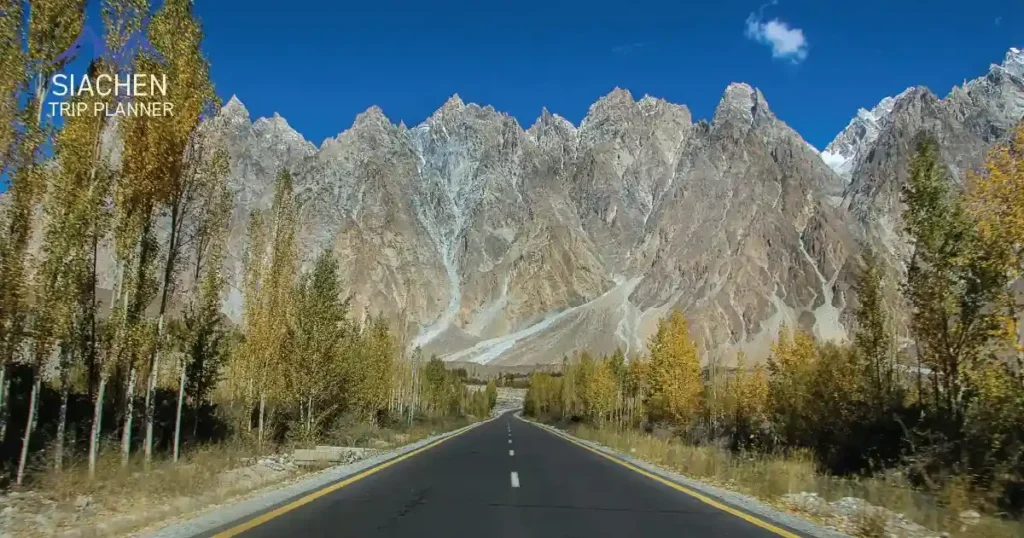
Autumn is the one locals keep pointing to when you ask them their favorite season. September into October, the poplars turn gold against grey rock, and photographers plan entire trips just around that window. Winter, November through March, is quieter still — some roads and guesthouses shut for the season, so it’s better suited to people who want solitude over sightseeing.
If you want one simple rule: April through October keeps things safe and predictable for a first trip.
What’s Actually Worth Seeing
Karimabad is where you’ll base yourself — small shops, rooftop cafes, and Rakaposhi following you around no matter where you’re standing.
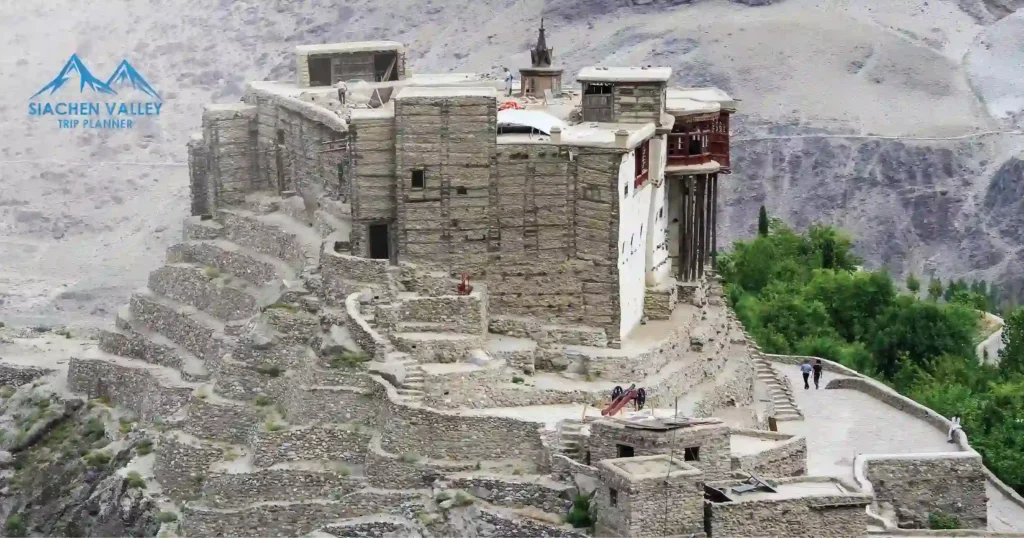
Right above the town sits Baltit Fort, once home to the Mirs of Hunza. Climb up there in the late afternoon if you can time it — the light hits the valley in a way that’s worth the walk alone. Altit Fort, older still, sits on a cliff edge over the Hunza River, with a small heritage village around it you can wander through in under two hours.
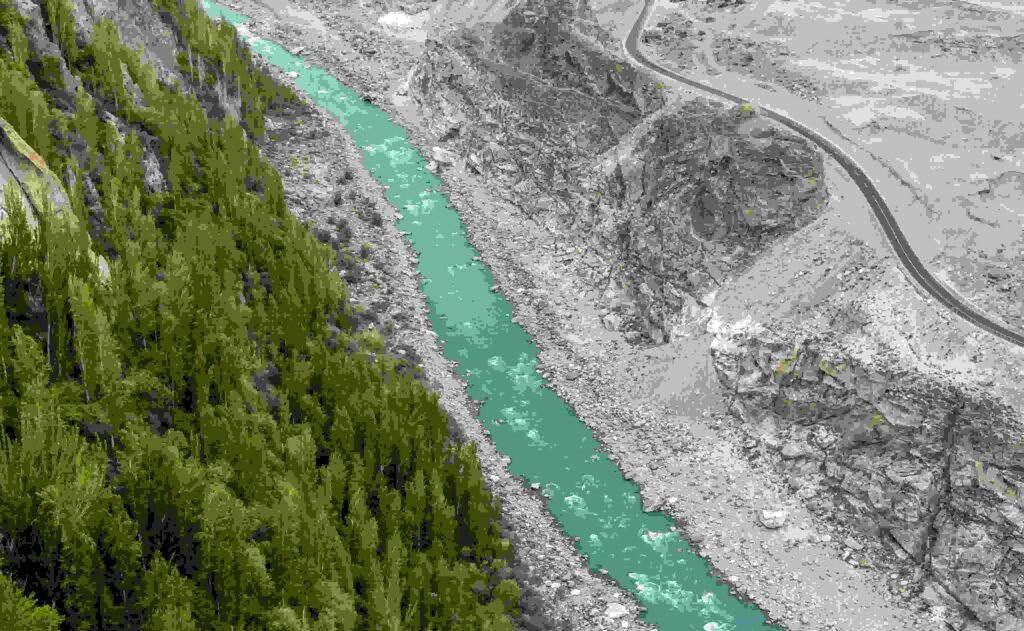
Attabad Lake is newer than either fort — it formed after a landslide dammed the river back in 2010. The water’s this striking turquoise color, and yes, it’s the most photographed spot in the valley, boats and jet skis and all. Further up, the Passu Cones (locals call them the “Cathedral Peaks”) and the Hussaini suspension bridge have become something of a rite of passage for trekkers who don’t mind a bridge that wobbles a bit more than they’d like.
For the best sunrise or sunset in the entire region, head to Eagle’s Nest in Duikar. Almost 360 degrees of mountain view. If you can manage it, go once for sunrise and once for sunset — they hit differently.
And if you have the extra day, the drive up to Khunjerab Pass is unforgettable on its own, quite apart from the fact that you might spot Marco Polo sheep along the way. Snow leopards live up there too, though actually seeing one is rare enough that I wouldn’t count on it.
The Food and the People Are Honestly Half the Trip
I could write a whole separate piece just on this, but the short version: the Burusho and Wakhi communities here are known for hospitality that doesn’t feel performed for tourists — it’s just how people are. Homestays are common, and I’d say do at least one if your schedule allows it.
Try the chapshuro if it’s on the menu — a meat-stuffed flatbread, kind of like a local take on a stuffed pizza. The walnut cake, made with local walnuts and apricots, is another one worth seeking out. And you’ll be offered walnut or herbal tea more times than you can count — just say yes, every time.
Things Nobody Tells You Before You Go
Foreign travelers need their passport and visa handy at all times — checkpoints are routine along the KKH, more so near Khunjerab. Cash matters more than cards once you’re outside Karimabad and Gilgit city; ATMs get scarce fast. Phone signal drops out in upper Hunza, so tell someone your rough plan before you lose reception rather than after.
Pack layers no matter the season — evenings get cold even in July because of the altitude. If you’re heading toward Khunjerab Pass, you’re gaining height quickly, so drink more water than you think you need. And in the villages, dress modestly and ask before photographing people — most will say yes, but ask anyway.
A Rough 5-7 Day Route
Day one is usually Islamabad to Gilgit, whether flying or driving, with an overnight there. Day two takes you to Karimabad, stopping at Rakaposhi View Point, with the evening saved for Eagle’s Nest. Day three is for the forts — Baltit and Altit — plus wandering the Karimabad bazaar. Day four covers Attabad Lake, Passu Cones, and the Hussaini Bridge. Day five is the day trip up to Khunjerab Pass and the national park. Day six, I’d leave completely open — a homestay, some shopping, no rushing anywhere. Day seven, head back toward Gilgit or Islamabad.
If you’ve got more time, push on toward Skardu or Naltar. Most people who plan to leave on schedule end up wishing they hadn’t.
Last Word
Every Hunza tour guide out there will point you to more or less the same list of places — the forts, the lake, the viewpoints. What’s harder to explain is how the valley actually feels once you’re standing in it: slower, quieter, a little cut off from everything else in a good way. Go whenever pulls at you more, blossoms or golden leaves, and leave room in your days to just sit somewhere with a cup of tea and look at Rakaposhi without checking your phone. That’s really what it means to explore the heart of Gilgit-Baltistan.
Frequently Asked Questions
1. How many days do I actually need in Hunza?
Somewhere between four and seven days works for most people. Any shorter and you’re rushing between forts without really seeing them; any longer and you’ll probably just want to keep going toward Skardu anyway.
2. Is Hunza safe for solo travellers or families?
Yes, and I’d say it’s one of the more welcoming parts of Pakistan for visitors. Crime is low, and locals are genuinely used to hosting outsiders with care.
3. When does the autumn foliage actually peak?
Usually late September into mid-October, though it moves around a bit depending on that year’s weather. Worth checking closer to your travel dates rather than locking plans in months ahead.
4. Do foreign travellers need a special permit?
No special permit needed — just carry your passport and visa at all times. Checkpoints are routine along the highway, especially closer to Khunjerab.
5. Can you still visit in winter?
You can, and some people actually prefer it for how quiet it gets, but a few high routes and seasonal guesthouses close down. Confirm your accommodation is actually open before committing to a winter trip.
6. What should be on my packing list?
Layers, comfortable walking shoes, sun protection, a refillable water bottle, and a proper camera — you’ll regret leaving that last one behind.
7. What’s the simplest way to get from Islamabad to Hunza?
Fly into Gilgit and drive the remaining two to three hours, or take the full Karakoram Highway route, usually split across two days given it’s an 18-22 hour drive straight